
CAWFC Policy Priorities for 2026
Below are the policy proposals we are advocating for this year.
California State Priorities
1 |Bereavement Leave for Chosen or Extended Family:
SB 1149 (Durazo)
-Top Priority-
Update California bereavement leave law so Californians can grieve the death of a chosen or extended family member.
Status: Introduced in the Senate.
SB 1149, authored by Senator Durazo, would update CA’s existing bereavement leave law to allow Californians to take unpaid leave to grieve the death of a loved one, whether that person is related by blood or is a “chosen” family member.
Due to the passage of AB 1949 (Low) in 2022, most California workers can take up to five days of unpaid, job-protected bereavement leave following the death of an immediate family member. However, under current law workers are not protected if they need bereavement leave following the death of a chosen or extended family member such as an aunt, uncle, cousin, niece, nephew, unmarried partner or best friend. Without bereavement leave, workers may be forced to choose between mourning a family member and their job.
SB 1149 is a common sense change to ensure that workers can use bereavement leave and are not forced to choose between mourning a loved one and keeping their job. It’s time to recognize that chosen family is family.
2| California Workplace Outreach Program (CWOP) Budget Request:
Full Funding for the California Workplace Outreach Program (CWOP) to Protect and Support Vulnerable and Immigrant Communities.
The California Coalition for Worker Power (CCWP) is requesting $30 million dollars for 5 years to implement CWOP. Last year SB 578 (Smallwood-Cuevas) was signed into law. SB 578 extended the California Workplace Outreach Program (CWOP) until 2031 and expanded it to include Paid Family Leave and Disability Insurance.
The CA Workplace Outreach program began in 2021 and directs public funds to community based organizations so they can educate workers about their rights. The program has supported worker centers across the state in educating workers about paid sick leave, wage theft and other protections in multiple languages. In this current moment, organizations have also been training employers and workers about their know their rights at the workplaces as they are in the frontline of immigration raids.
3| Pregnancy Leave for Educators:
AB 65 (Aguiar-Curry)
Create Pregnancy Leave for California School Employees.
Status: Passed the Assembly and now in the Senate.
AB 65, introduced by Assemblymember Aguiar-Curry, would grant school employees up to 14 weeks of leave with full pay, paid for by the employer, when an employee is experiencing or has experienced pregnancy, miscarriage, childbirth, termination of pregnancy, or recovery from those conditions.
As public employees, most California school employees do not automatically contribute to SDI so are not eligible for SDI and PFL Benefits unless they opt-in as a bargaining unit. When school employees get pregnant they must first exhaust their sick leave before accessing partial pay, the amount that is left over after their substitute has been paid. This can have long lasting impacts, including reducing future retirement benefits since unused sick leave can be converted to retirement credits when school employees retire.
4| Protecting Californians’ Health Care Access
When workers lose access to healthcare, it makes it harder for them to access paid family and medical leave. California workers must obtain medical certification to access Paid Family Leave (PFL) and Disability Insurance (DI). California workers may need to obtain medical certification to access job protection under Pregnancy Disability Leave (PDL) and the California Family Rights Act (CFRA).
Given this connection between paid leave and healthcare access, California Work & Family Coalition supports our partners working to improve equitable access to healthcare in California. California Work & Family Coalition supports Health4All’s Budget request to protect healthcare for immigrant communities, Justice in Aging’s Budget request to protect access to Healthcare and In Home Supportive Services (IHSS) for older adults and people with disabilities, and Equality California’s budget request to protect access to transgender healthcare.
California leaders can choose to lead us into a different and better future. California is now the 4th largest economy in the world. Our state has the resources to allow every Californian to see their doctor, fill prescriptions, pay rent, buy groceries, afford child care, elder care, care for a family member with disabilities, or access safety and healing if they are a survivor of violence.
We call on our state leaders to commit to ensuring that every person in California can live and care for their family with dignity. We encourage our state leaders to raise additional ongoing state revenue by closing unfair tax breaks for wealthy corporations to counter federal harm and lead the nation in investing in a more affordable, secure, and equitable future for all.
Investing in Our Future: Equitable Revenues
5| Close Water’s Edge Corporate Tax Loophole:
AB 1790 (Connolly)
Status: Introduced in the Assembly.
AB 1790, introduced by Assemblymember Connolly, would close a corporate tax loophole called “Waters Edge”.
Currently, multinational corporations can choose to only pay CA taxes on revenue they claim was earned within California’s borders. This lets them shift profits to offshore subsidiaries and offshore locations to avoid CA taxes, even though they do business here.
This bill aims to make the tax system fairer by ensuring these corporations can’t use this loophole any longer and is projected to generate $3 billion in new revenue
AB 1633, introduced by Assemblymember Haney, would hold for-profit corporations accountable for operating ICE-funded private immigration detention facilities in California by taxing their massive profits and reinvesting the revenue into a new fund that would provide immigration-related services.
This bill will impose a 50% tax on gross receipts that private corporations earn from ICE and other federal contracts to operate detention facilities in California. It would require that the revenue be reinvested into a fund providing immigration-related services, reducing incentives for corporate profiteering while helping the state respond to the harm caused by mass immigration detention.
How does the Coalition choose their legislative priorities?
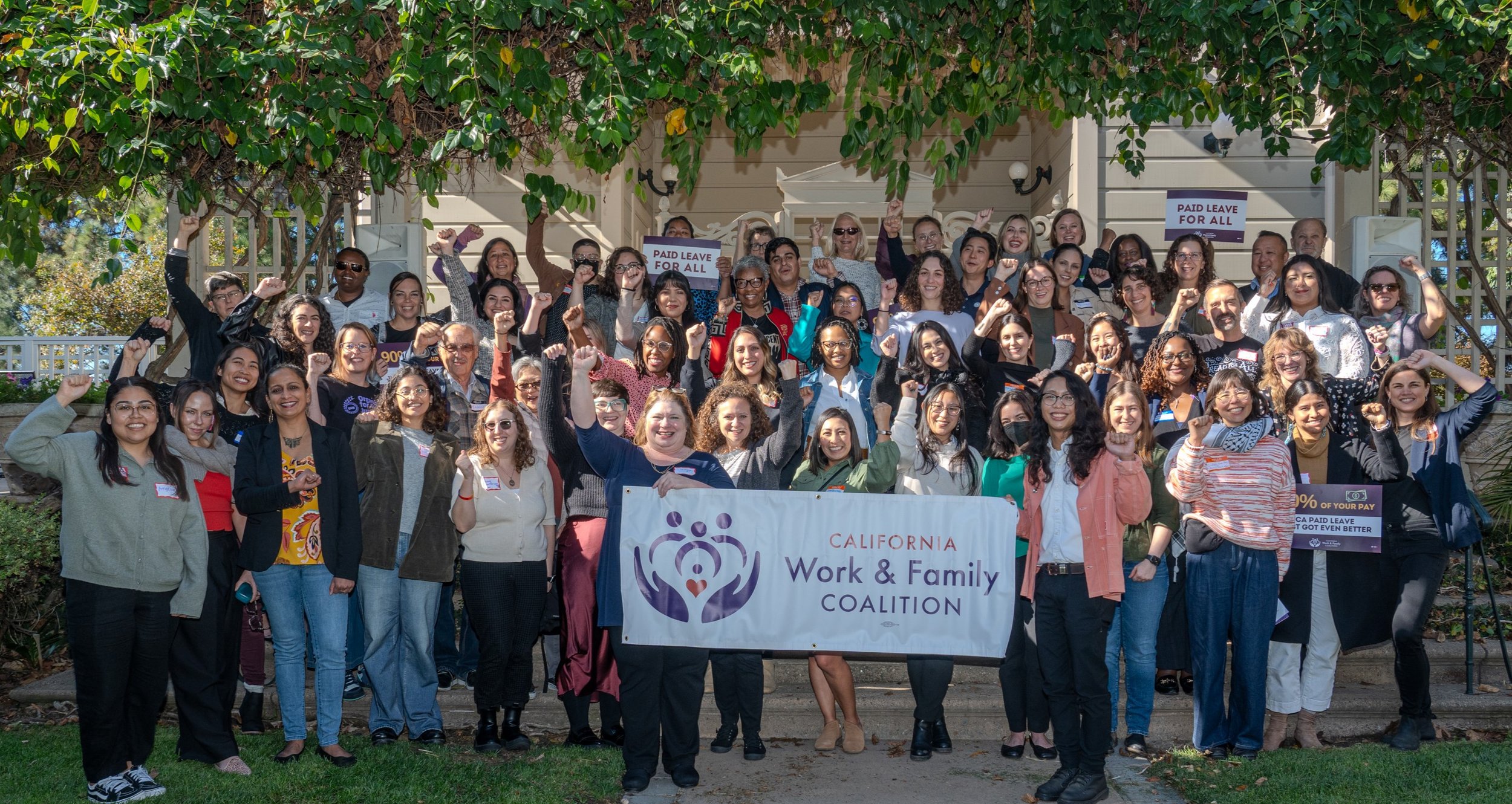
Legislation that reflects our mission, vision, and values statements are discussed and considered by all Coalition members at our Annual Statewide Meeting. Then, members take a vote on the legislation to choose our priorities for the year.

What does a “top priority” bill mean?
You might have noticed that one of the bills on this page are labeled “Top Priority.” This means that the Coalition will be leading campaigns on those bills. For the other bills, the Coalition will be playing a supporting role, meaning that other amazing Coalition members will be leading those campaigns, and we will be sharing out and taking action on the work created by those campaign leaders. We consider organizational capacity when making these decisions so that each legislative priority gets a fair and equal amount of resources and support.

